Is Fantasy Football the Cure to Male Loneliness?
Growing up, it was always basketball. Even amidst the hockey hotbed of London, Ontario, I used to clamour for any semblance of sports culture that didn’t include skating. I would tune into theScore over SportsCentre (we spell it “re” here, of course) because theScore would at least offer a fleeting five minutes of basketball highlights at the end of the hour (literally five minutes – kids today with YouTube highlights ready hours after the game don’t understand our plight). This followed me through high school and university. I wrote blogs previewing how the second round of the draft would shake out, interned for Canada Basketball, and convinced myself I was destined to be the next Bill Simmons (part of me still is). When I travelled back home for Christmas, there was a Michael Jordan poster clinging to the wall of my childhood bedroom. But I must admit, in adulthood, I’ve been unfaithful to my first love and, dare I say, swept up in the throes of a new suitor.
More established, more stable, more exciting (certainly more problematic but isn’t that part of the rush?) – I’ve been seduced by the romance of the NFL. As I walked out the proverbial door, Adam Silver and the NBA tried to draw me back with promises of spicing our relationship up with an NBA Cup and limits for resting players. But it’s too late – if NFL action locked the door forever, fantasy football threw away the key.
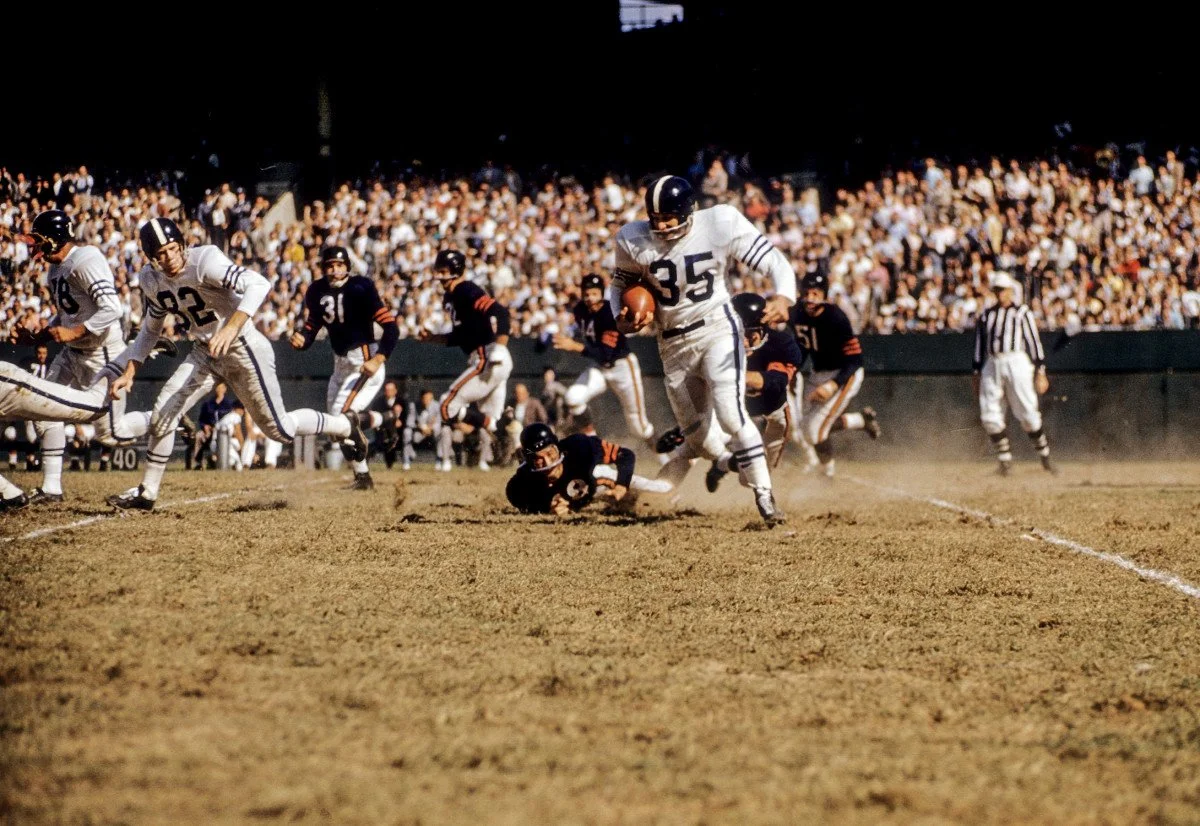
It started as an idle suggestion from one of my oldest childhood friends: “What if we started a fantasy football league?” I didn’t think much of the suggestion. At the time, I’d attended annual Super Bowl parties and followed along casually, but nothing too seriously. The entire rhythm of the sport seemed foreign to me; one moment, it was violent action playing out at breakneck speeds, the next, it was a slow, methodical chess match. I was used to willingly watching the uninterrupted flow of a basketball game (or unwillingly watching a similar flow in hockey, while I waited for my five-minute segment). Plus, as a self-admitted snob, “fantasy football” just seemed…dorky, would be the right word, I suppose. But when 10 other friends said yes – all of whom I’d been close with some time between kindergarten and high school – I thought, “Ah, fuck it. Why not?”
I’d moved to Toronto a year before. Some of the league was still in my hometown. Some were on the other side of the country. Others had moved across the world. I imagine this is a pretty relatable experience: we grow up, our interests evolve, people have less disposable time, and ultimately, we end up speaking less and less to the friends we’ve known the longest. In recent years, there have been countless articles detailing the corrosion of male friendships, and just how detrimental it’s been to western culture. Men, looking for some semblance of community, often end up falling down internet rabbit holes or niche political avenues, not grounded by those who actually know them personally, and can hold them accountable or uplift them. And if I’ve learned anything from my longtime friends, it’s that they have no problem holding me accountable, whether it’s calling out my lack of commitment or clowning me for whiffing on my first round pick for the third-straight year.
So, I thought an annual $40 buy-in was a fair fee to have an excuse to talk to some of my most formative friends. The first year, well, let’s call it a warm-up. There were a few heated arguments, and some watch-along voice calls on Sunday afternoons. But in the two seasons since, it’s evolved into something of a feverish cult.
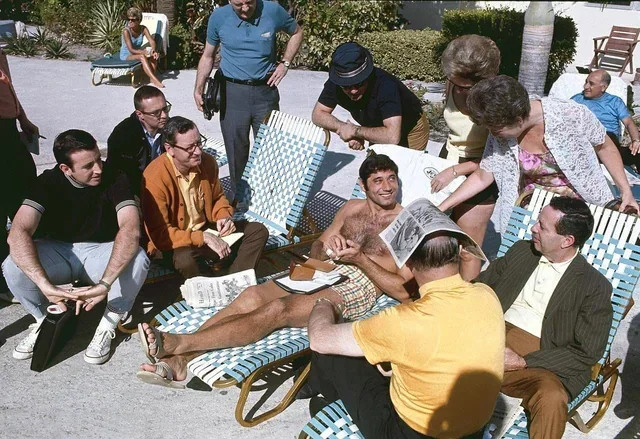
About five months before the season started, we all booked time out of our personal and professional lives to attend a formal draft weekend at one of our leaguemate’s homes. We’d all gotten together for a wedding (it was for another one of the league members, who had flown in from London, England for the occasion) two weeks before. So, those who had travelled from out west stayed for the draft (and to visit family in the meantime, meeting newborn nephews, blah, blah, whatever). Our host lives in a small town by the beach, so it was the perfect setting for a combine of sorts: we planned a series of measurable tests, similar to those that take place before the NFL Draft (but tailored to a group of 27-28-year-olds well past their physical primes, if we ever had any). We ran a 40-yard-dash, drew up throwing tests, logged how long it took each of us to chug a beer – you know, all the typical NFL measurables. I ended up nearly breaking my nose roughhousing with one of my friends (I tried to think of a less antiquated word but it was truly roughhousing to the highest/dumbest degree). My fiancée could only roll her eyes when I walked in the door on Sunday, my face contorted as I smiled through the swelling.
I suppose you might be wondering why fantasy football entirely changed my relationship to the sport and not fantasy basketball. Really, it’s a microcosm of why the NFL continues to dominate sports culture while the NBA loses ground. To start, the NFL is a league built on constant urgency – there are 17 games, meaning every game is a pivotal game. You just can’t replicate that in an 82-game NBA season (and NBA owners will never budge from it because, of course, money). There’s also such a finer line between a player being cut from an NFL roster than an NBA roster, especially with each game holding so much weight. So, that right there mitigates any chance of “load management” – a term coined by the NBA to describe a star player sitting without any discernable injury. If you bring that mentality into the NFL, you can load management yourself all the way to the unemployment line (this was my biggest hinderance with fantasy basketball: I’d draft a star only for them to opt to play 40% of the season because, well, they’re asked to play a billion games per year). It’s probably people’s biggest hinderance for buying tickets, or paying for a new streaming service to watch games, too. Turns out, fans like seeing players play. Imagine that.
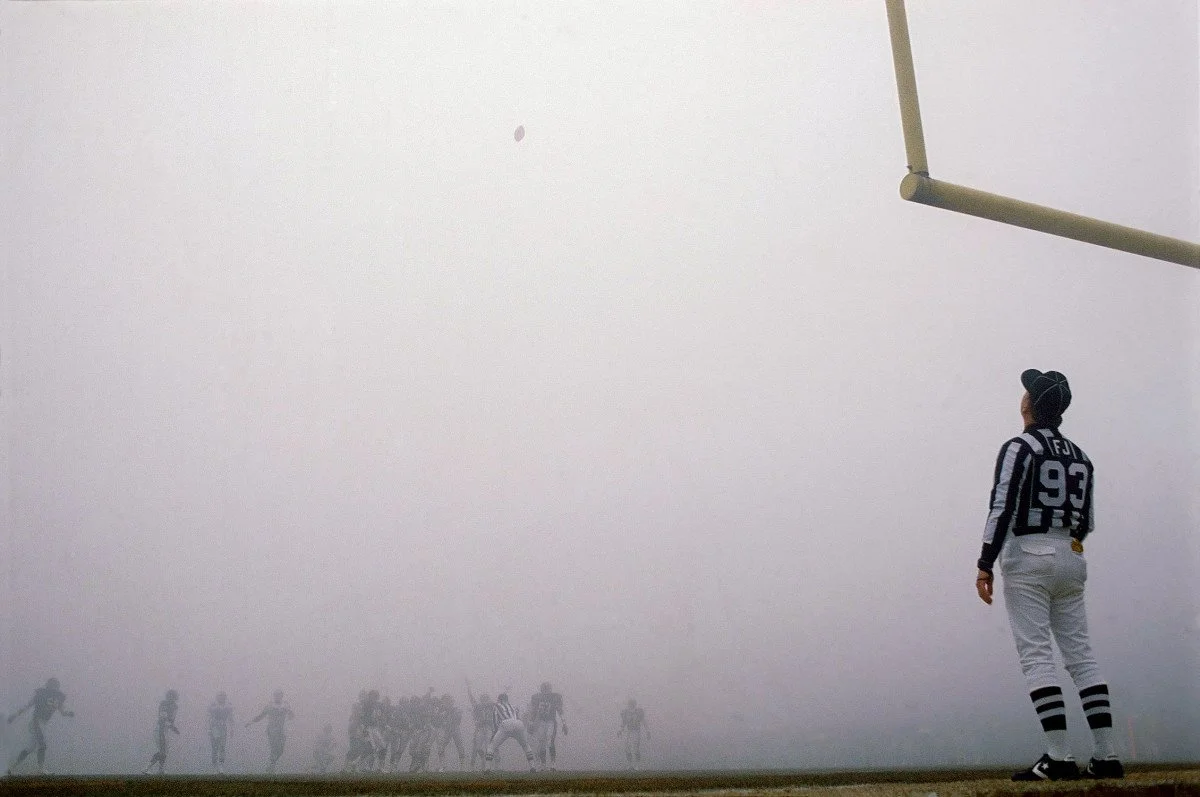
Then, of course, there’s the scheduling of it all. Look, we’re all busy people with social and professional and personal obligations. So, to know I can fit 90% of the NFL’s weekly action into the handful of hours following my Sunday long run is the most accessible a sport can be (and if I have a rare empty Monday or Thursday night, fantastic). This year, that turned into talking to my friends on the phone for at least an hour or so a week. Sure, a few of the calls went sideways (before the trade deadline, Sofia had to watch me step out to our balcony to negotiate last-minute trade deals with multiple parties – next year, I want to invest in one of those hands-free headsets that telemarketers use to really maximize efficiency). As I speak, there’s a flurry of messages in my inbox arguing over who gets to sign the No. 28-ranked tight end before Sunday (for reference, there are 32 teams, meaning we’re all quite upset for a not-very-good reason). At times, I get a bit embarassed just how invested I am. After all, it’s not the sort of weekend plan that’s easy to explain those not involved. I imagine this is what a lot of niche communities feel, like fanfiction enthusiasts or the 25 people who still care about Stranger Things. But it’s also the type of competitive investment that can only be sparked by your childhood friends.
I get it – most of you are wondering why you read this far to begin with. This certainly isn’t the readership base of any of the publications I’ve written for over the years. Chances are, you might only vaguely know the concept of fantasy football through the lens of The League (a sitcom centred around a group of old friends and their fantasy league that somehow ran for seven seasons and, even more shockingly, was pretty good). I know, for a long time, I was skeptical. I thought it was a way for non-sports fans (and, again, to be honest, dorks) to understand sports through a box score. But now I see it as a connector in the vein of any other shared experience: a book club, lunch with friends, a programmed FaceTime call with family. In an era where “third spaces” are going extinct, a time when male friendships are dwindling, and at a point in our lives when changes feel exceptionally fast-paced, having an excuse to engage with old friends feels oddly important. Maybe I’m just writing this to justify the emotional bandwidth I spent just to miss the playoffs (yet again). Maybe I’m feeling nostalgic with another season coming to a close and our champion being crowned on Monday night. But I don’t think so – I think for the very reasonable buy-in of $40, a nearly-broken nose, and a weekend away in August to play with my childhood friends, I might have discovered the cure to male loneliness.
